Moving to Charlottesville, VA: a relocation guide
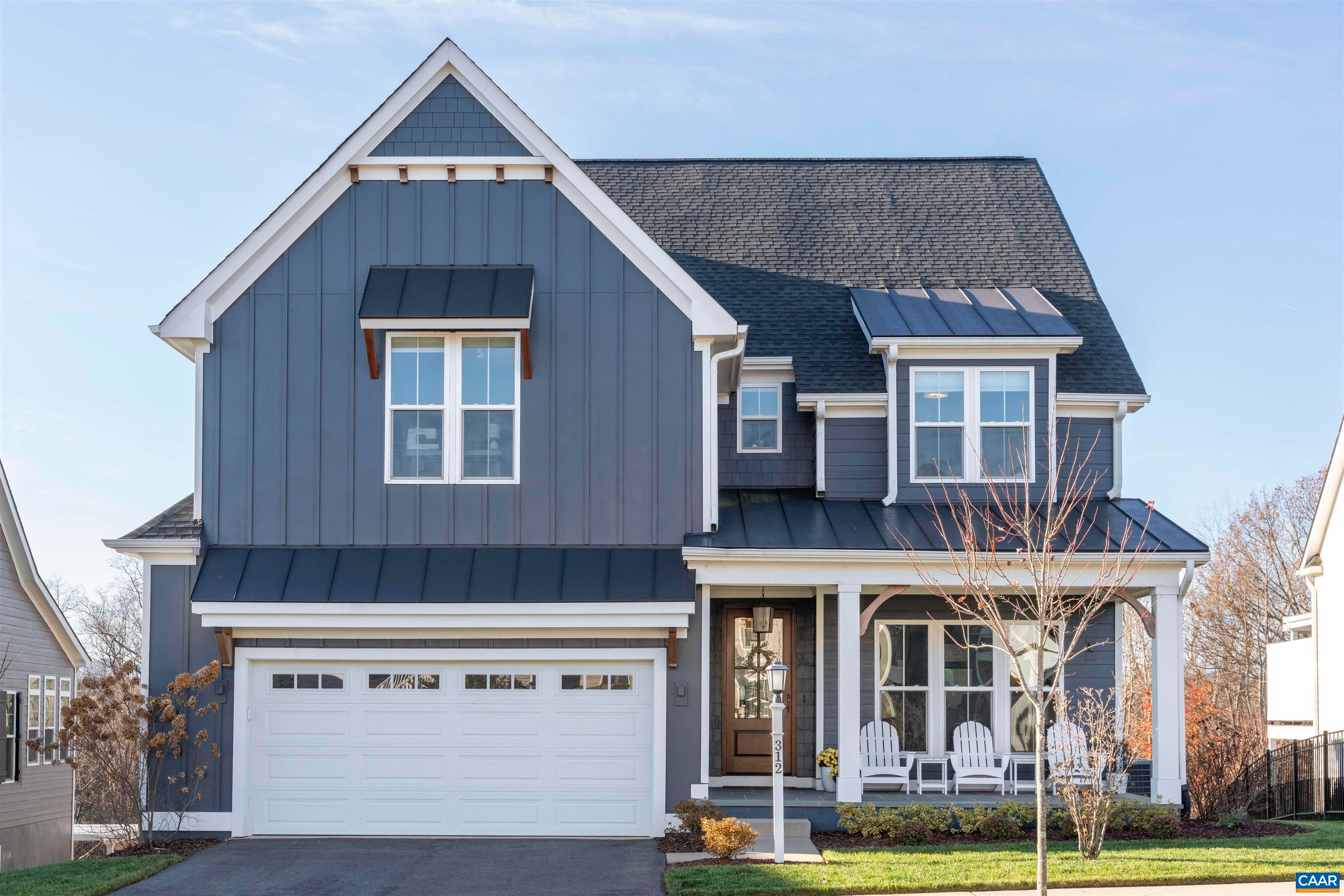
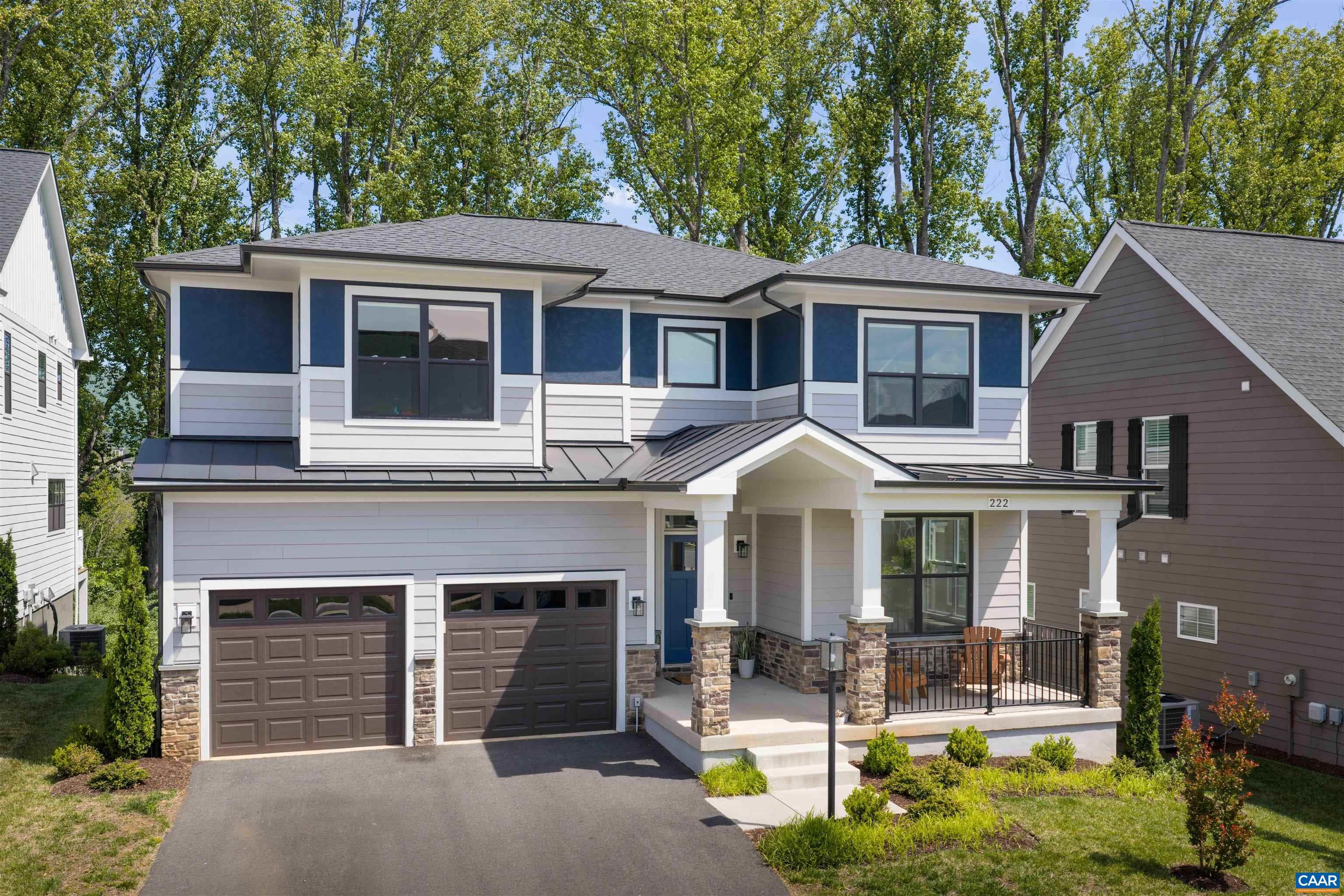
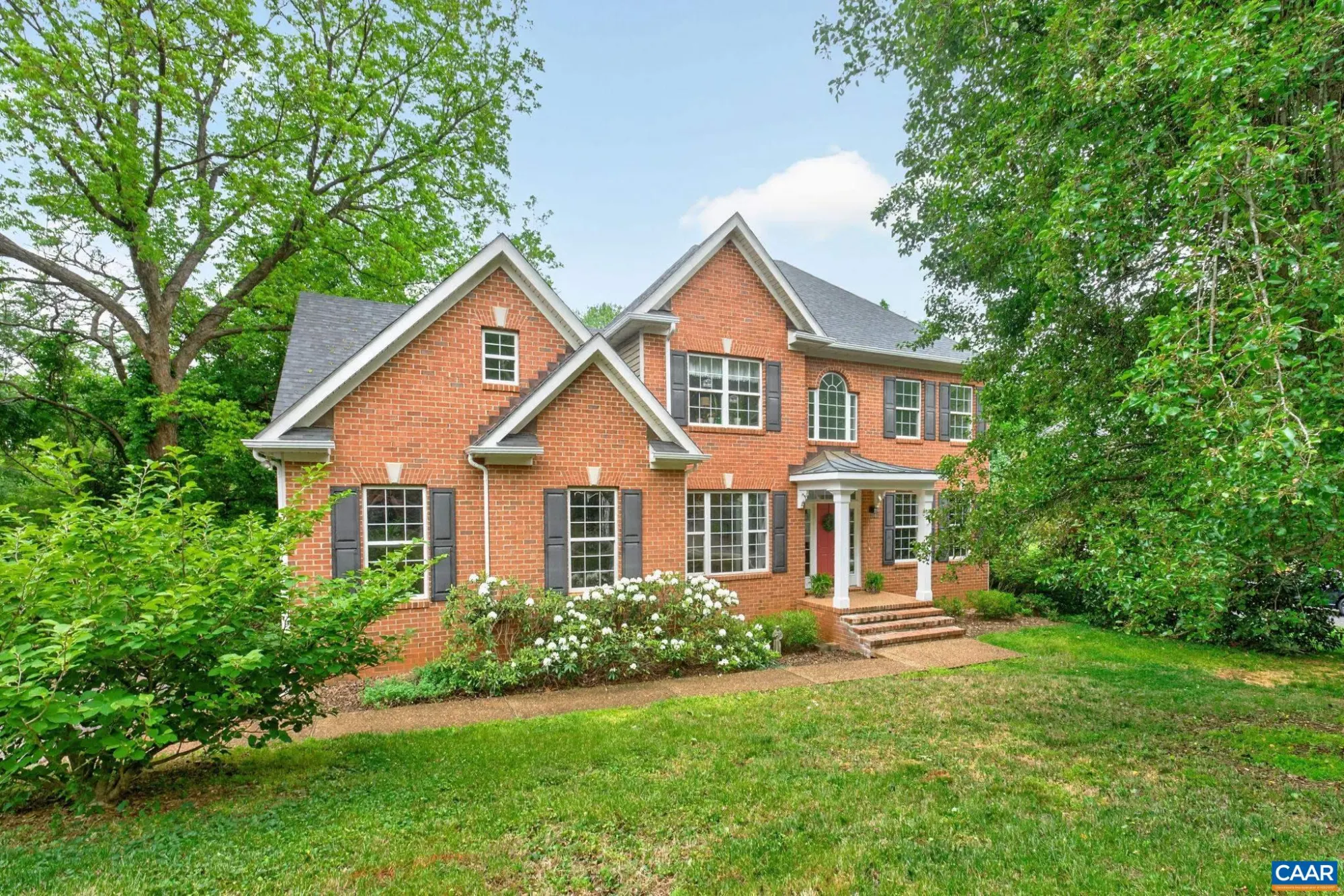
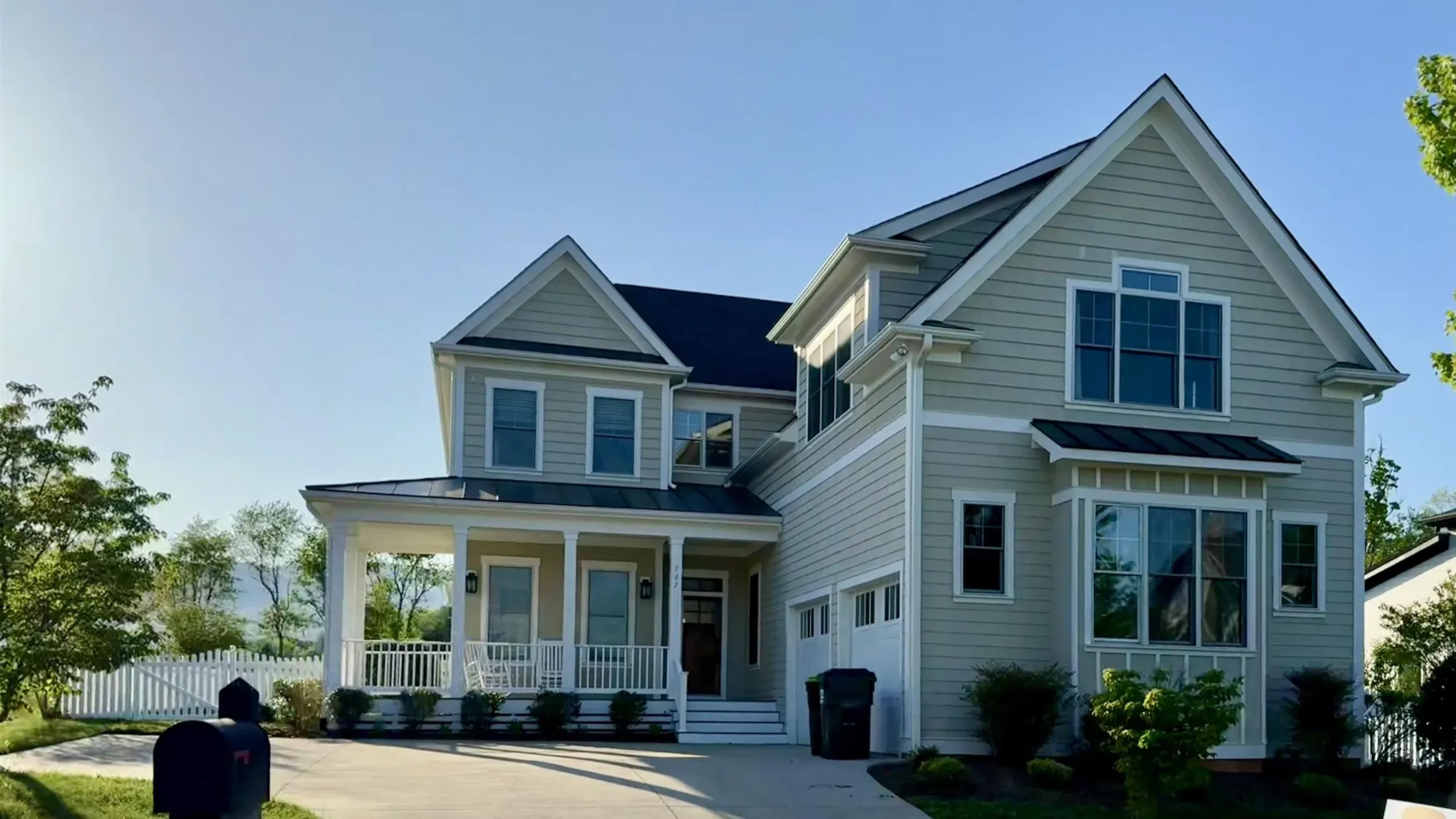
People move to Charlottesville, Virginia for the University of Virginia and UVA Health, a stable job market, Blue Ridge scenery, and a cost of living that sits near the national average, with a regional median home price of about $450,000 in Q1 2026. The decision usually comes down to choosing the right area, since the city, Crozet, Glenmore, Forest Lakes, Pantops, and Western Albemarle all feel different. Erin has lived and sold here for 12 years across 348 closings, and helps relocating buyers pick the right one.
Key takeaways
- Charlottesville's cost of living runs roughly even with the US average, between about 1% below and 5% above depending on the index, with housing the main variable (BestPlaces, PayScale, as of 2026).
- The regional median home price was about $450,000 in Q1 2026; Albemarle County ran higher near $550,000 and the city in the high $400,000s to mid $500,000s (CAAR, Q1 2026).
- The University of Virginia and UVA Health are the area's largest employers, anchoring roughly 30,000 jobs across the region (C-VILLE Weekly, 2025).
- Albemarle County Public Schools holds an A grade and a 91.3% graduation rate, above the national average (Niche, GreatSchools, 2026).
- Charlottesville Albemarle Airport (CHO) flies nonstop to Atlanta, Charlotte, Chicago, Philadelphia, New York LaGuardia, and Washington Dulles.
- Winters are mild, averaging about 15 inches of snow a year, roughly half the US average (US Climate Data, NWS).
~$450K
Regional median home price (CAAR, Q1 2026)
91.3%
Albemarle County Schools graduation rate (Niche, 2026)
~30,000
Jobs anchored by UVA + UVA Health (C-VILLE Weekly, 2025)
~15 in
Average annual snowfall, half the US norm (US Climate Data)
On this page
- Why people move to Charlottesville
- What does it cost to live in Charlottesville?
- The housing market right now
- Where to live: a neighborhood overview
- Schools in Charlottesville and Albemarle
- Climate and the four seasons
- Getting around and getting out
- A step-by-step plan for relocating buyers
- Frequently asked questions
- Sources
Charlottesville is one of those places people visit once and start quietly running the numbers on. It is a college town with a real economy, a small city with a serious food scene, and a doorstep to the Blue Ridge Mountains, all at once. If you are relocating here from out of state or from elsewhere in Virginia, the good news is that the move is very doable from a distance. The harder part is choosing where to land, because the area is really a collection of distinct communities that happen to share a zip-code prefix. This guide walks through why people come, what it costs, where to live, the schools, the weather, getting around, and a practical step-by-step for buying from out of town.
Why people move to Charlottesville
The short answer is jobs plus lifestyle. The University of Virginia and UVA Health are the dominant employers, together anchoring something on the order of 30,000 positions across the region, from faculty and researchers to nurses, technicians, and administrators. UVA Health's University Medical Center is a 600-bed academic flagship, which means the area draws clinicians and medical families from all over the country. Beyond the university, large employers include Albemarle County and the City of Charlottesville, Sentara, the defense and intelligence community out at Rivanna Station, and a cluster of well-known private companies.
Then there is the setting. Charlottesville sits right where the Piedmont meets the Blue Ridge, so you get vineyards, breweries, the Shenandoah National Park, and Skyline Drive within a short drive, plus a walkable Downtown Mall, a strong restaurant scene, and a calendar full of live music. The region has been growing steadily for that reason: the Thomas Jefferson Planning District, which includes Charlottesville and Albemarle, reached an estimated 275,848 residents by mid-2024, up about 4.6% since the 2020 Census, with Albemarle County leading the growth.
What does it cost to live in Charlottesville?
Charlottesville's overall cost of living lands near the national average, which surprises people who assume a sought-after college town must be expensive. The exact figure depends on which index you trust: BestPlaces puts the area at about 5% above the US average, while PayScale and RentCafe put it roughly 1% below. The honest read is that you should plan on something close to even, with housing as the main swing factor. Groceries, healthcare, and transportation tend to run at or below the national norm, while desirable in-town housing pushes the other way.
Housing is where relocating buyers feel the difference most, and it varies a lot by area, which is exactly why the neighborhood choice matters so much. The table below frames the broad strokes; Erin can give you current, address-specific numbers for any pocket you are considering.
| Index | Charlottesville | Read |
|---|---|---|
| BestPlaces overall | ~105 | About 5% above average |
| PayScale / RentCafe | ~99 | About 1% below average |
| Housing | Most variable | City premium, more value in outer areas |
| Groceries / healthcare | At or below 100 | Generally a touch below average |
The housing market right now
As of the first quarter of 2026, the Charlottesville Area Association of Realtors reported a regional median sales price of about $450,000, with sales volume down roughly 2% year over year. CAAR has described the market as normalizing rather than declining: prices are holding, inventory is still tight, and well-priced homes in good locations continue to move. For a relocating buyer, that means you should come pre-approved and ready to act, but you are not facing the frenzied conditions of a few years ago.
Prices break down meaningfully by jurisdiction. Albemarle County, which surrounds the city and includes most of the popular family neighborhoods, has run higher, with a median around $550,000 in recent reporting. The City of Charlottesville itself has landed in the high $400,000s to mid $500,000s, with the spread driven by neighborhood and home age. Albemarle's 2026 tax assessments rose about 6.17%, a useful signal that values have continued to firm up.
| Area | Approx. median | Notes |
|---|---|---|
| CAAR region | ~$450,000 | Q1 2026 median sales price |
| Albemarle County | ~$550,000 | Most family neighborhoods sit here |
| City of Charlottesville | High $400Ks–mid $500Ks | Varies by neighborhood and age |
| Old Trail (Crozet) | Mid $700Ks–$1.4M+ | Master-planned, walkable village |
Where to live: a neighborhood overview
This is the part that takes most relocating buyers the longest, because the right answer is genuinely personal. The communities below all sit within about 20 minutes of UVA and the Downtown Mall, but they feel like different worlds. A quick orientation:
- In the city: Belmont is the walkable, restaurant-dense favorite; North Downtown is historic and premium; Fry's Spring, Greenbrier, and Locust Grove offer established homes closer to the center. City living means walkability and character, usually on smaller lots.
- Crozet and Old Trail: a small mountain town about 20 minutes west, with Western Albemarle's strong schools, the Blue Ridge in your windshield, and Old Trail's master-planned village for those who want walkable amenities.
- Glenmore: a gated golf community in Keswick, east of town, popular with buyers who want country club living and more space.
- Forest Lakes (Hollymead, north on Route 29): established, family-oriented neighborhoods with pools, trails, and easy access to shopping and the airport.
- Keswick: horse country and rural estates east of the city, anchored by the Keswick Hall resort, for buyers who want land and privacy.
- Pantops: the convenient east side, home to Sentara Martha Jefferson Hospital and plenty of shopping, with condos and townhomes that work well for first-time buyers and downsizers.
- Western Albemarle: rural and scenic, with larger lots, wineries, and the same well-regarded Western Albemarle schools as Crozet.
Schools in Charlottesville and Albemarle
Schools drive a lot of relocation decisions here, and the news is good. Albemarle County Public Schools, which serves most of the suburban and rural neighborhoods, holds an A grade on Niche and a 91.3% graduation rate, comfortably above the national average of about 86.5%. The district runs roughly 26 schools with a 13-to-1 student-teacher ratio. Western Albemarle High in Crozet carries a 9 out of 10 GreatSchools rating and is a major reason demand on the west side stays high.
Two things to know. First, the City of Charlottesville runs its own separate school division, so a city address and a county address put you in different systems. Second, and this is the one that trips people up, Albemarle assigns students by attendance zone, not by neighborhood name, and the lines do not always follow what you would expect. Two homes on the same street can occasionally feed different schools. Erin confirms the exact assignment for every specific address you are serious about, rather than relying on a neighborhood's reputation.
Climate and the four seasons
Charlottesville has a humid subtropical climate with four genuine but mild seasons. Summers are warm and humid, with July highs averaging in the upper 80s. Winters are short and gentle by Northern standards: January, the coldest month, averages highs in the mid 40s and lows in the upper 20s, and the area sees only about 15 inches of snow a year, roughly half the US average of 28. Spring tends to be the wettest stretch and arrives early, while fall is the local crown jewel, with the Blue Ridge turning color through October. If you are moving from somewhere with hard winters, expect to use your snow shovel a handful of times rather than all season.
Getting around and getting out
For a small metro, Charlottesville is well connected. Charlottesville Albemarle Airport (CHO), about ten minutes north of downtown, is served by American, Delta, and United with nonstop flights to Atlanta, Charlotte, Chicago, Philadelphia, New York's LaGuardia, and Washington Dulles. When you need more options, Washington Dulles is about an hour and forty-five minutes by car and Richmond is about an hour. Amtrak runs directly from the downtown station to Washington, New York, and points south, which makes a car-free trip to DC genuinely practical.
Day to day, most of the area is car-oriented, but commutes are short by big-city standards: most of the popular neighborhoods are within 20 minutes of UVA and downtown. Crozet residents can use the CrozetConnect commuter bus into the city. The Downtown Mall and parts of the city are very walkable, while the county neighborhoods trade walkability for space and quiet.
A step-by-step plan for relocating buyers
Buying from a distance works well here when you sequence it correctly. The pattern Erin uses with out-of-town buyers looks like this:
- Get pre-approved first. Talk to a lender before you fall for a neighborhood, so you know your real budget and can move quickly when the right home appears in a tight market.
- Narrow to two or three areas. Use this guide to match how you actually want to live to a short list, balancing schools, commute to your job site, walkability, and budget.
- Take a remote tour. Erin runs live video walkthroughs of homes and whole neighborhoods so you can rule places in or out before you ever book a flight.
- Plan one focused visit. Come for a couple of days to see your top contenders in person, drive the commute at rush hour, and walk the streets you have only seen on a screen.
- Confirm the school zone and the details. Verify the exact attendance zone, HOA rules, and any community fees for the specific address, never the neighborhood's reputation.
- Build a realistic timeline. From accepted offer to closing typically runs about 30 to 45 days, so back into your move date and coordinate your sale or lease on the other end with that window in mind.
Frequently asked questions
Is Charlottesville, VA expensive to live in?
Charlottesville's cost of living sits near the national average. Depending on the index, it runs from about 1% below to roughly 5% above the US norm, with housing as the main variable. Groceries, healthcare, and transportation generally land at or below average, while desirable in-town housing pushes costs up. Outer neighborhoods like parts of Crozet and Forest Lakes stretch a budget further.
What is the median home price in Charlottesville?
The regional median sales price was about $450,000 in the first quarter of 2026, according to the Charlottesville Area Association of Realtors. Albemarle County ran higher, near $550,000, and the City of Charlottesville landed in the high $400,000s to mid $500,000s. Prices vary widely by neighborhood, so ask Erin for current, address-specific numbers.
Why do people move to Charlottesville?
Most people move here for jobs and lifestyle. The University of Virginia and UVA Health are the largest employers, anchoring roughly 30,000 positions across the region, and the area also draws people for the Blue Ridge Mountains, vineyards, a walkable downtown, a strong food scene, and good schools. The region has grown about 4.6% since 2020 as a result.
Are the schools good in Charlottesville and Albemarle County?
Yes. Albemarle County Public Schools holds an A grade on Niche and a 91.3% graduation rate, above the national average, across about 26 schools. Western Albemarle High in Crozet carries a 9 out of 10 GreatSchools rating. Note that the city runs a separate school division, and Albemarle assigns by attendance zone, so always confirm the exact school for a specific address.
What are the best neighborhoods in Charlottesville for families?
It depends on your priorities. Crozet and Old Trail offer Western Albemarle schools and a small-town feel about 20 minutes west. Forest Lakes north of town is established and family-friendly with pools and trails. Glenmore offers gated golf-community living to the east. In the city, Belmont and Greenbrier are popular. Erin matches families to areas based on schools, commute, and budget.
How are the winters in Charlottesville?
Mild. Charlottesville has a humid subtropical climate, and winter is short. January averages highs in the mid 40s and lows in the upper 20s, and the area sees only about 15 inches of snow a year, roughly half the US average. You will use a snow shovel a few times a season rather than all winter, and the four seasons are all distinct but gentle.
Does Charlottesville have an airport with direct flights?
Yes. Charlottesville Albemarle Airport (CHO), about ten minutes from downtown, is served by American, Delta, and United with nonstop flights to Atlanta, Charlotte, Chicago, Philadelphia, New York LaGuardia, and Washington Dulles. For more options, Washington Dulles is about an hour and forty-five minutes away, and Amtrak runs directly from the downtown station to DC and beyond.
How do I buy a home in Charlottesville from out of state?
Start by getting pre-approved with a lender so you know your budget. Then narrow to two or three areas, take live video tours with Erin to rule homes in or out remotely, and plan one focused visit to see your top contenders and drive the commute. Confirm the school zone and HOA details for the specific address. Closing typically takes 30 to 45 days.
How far is Crozet from Charlottesville and UVA?
About 20 minutes by car. Crozet sits west of the city toward the Blue Ridge and feeds the well-regarded Western Albemarle school district. It also has the CrozetConnect commuter bus into Charlottesville, which makes a car-free commute into the city and UVA a realistic option for some residents.
Sources
- CAAR Q1 2026 market report (via 29News)
- BestPlaces — Charlottesville cost of living
- Niche — Albemarle County Public Schools
- GreatSchools — Albemarle County Public Schools
- Charlottesville Albemarle Airport — direct flights
- US Climate Data — Charlottesville climate
- C-VILLE Weekly — 50 largest area employers

Erin Hall
Associate Broker, ABR, GREEN
Written by
Erin Hall
Associate Broker, ABR, GREEN · Nest Realty · VA Lic. #0225211583
A Charlottesville broker with twelve years in the market and 348 career transactions, from first condos to homes past a million.
Equal Housing Opportunity. Erin Hall fully supports the principles of the Fair Housing Act and the Equal Opportunity Act. Market figures on this page are general and provided for orientation only; they are not an appraisal or financial advice. Confirm current numbers and your loan options with Erin and a licensed lender.
Updated June 2026.